Table Of Content
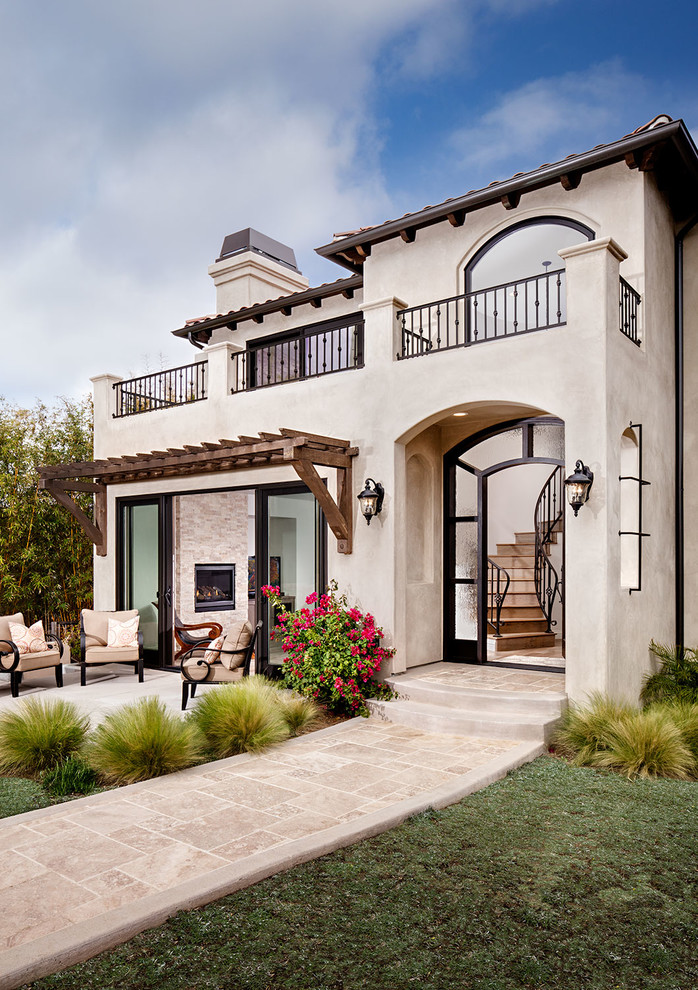
The style is characterized by the use of luxurious materials like marble, velvet, and silk, as well as intricate detailing and ornate finishes. Whether it’s a wrought iron chandelier or a set of ornate iron gates, these pieces add a touch of elegance and sophistication to the space. Living in a warm location comes with its own set of design challenges, especially for a Mediterranean-style property. The exterior of Mediterranean homes typically feature a red-tiled roof (usually terra cotta), as well as brick or stucco that’s often painted white.
Mediterranean Diet: Food List, Tips and 7-Day Meal Plan - Good Housekeeping
Mediterranean Diet: Food List, Tips and 7-Day Meal Plan.
Posted: Tue, 19 Dec 2023 08:00:00 GMT [source]
Year In, Year Out: Smarter Living
To get you inspired we've gathered an array of characterful home ideas perfect for bringing a Mediterranean feel to every room, from color palettes for living rooms to beautiful kitchen tile ideas. But since the Mediterranean style was developed for people who love leisure, the design has given special attention to bathrooms. While designing the kitchen, keep in mind your specific needs and add modern elements to it. Make space for the modern technological devices you may use in your kitchen to remain functional.

Mediterranean-Style Interior Design Tips
Modern Mediterranean interior design features similar attributes to create a bright, warm, inviting, and rustic yet elegant space. This style has the range to be simply functional or classically formal, depending on your preferences. Handcrafted in Morocco, zellige tiles boast beautiful variations in tone, color and depth of glazing, creating a stunning textural backdrop when laid together. Designed to closely mimic traditional zellige tiles, these ceramic tiles in coral from Mandarin Stone will bring beautiful warmth and texture to your kitchen tile ideas and bathrooms.
Mediterranean Décor and Design Ideas
"Once we get to the furniture, we rely on clean lines and neutral tones for the main pieces with a few pops of color in the art." Outdoor spaces are just as important as indoor spaces in the Mediterranean design. Whether it is a patio, balcony, or terrace, there is a lot to experiment with. Since space is outdoors and contacts with the natural environment, including natural elements become even more necessary in these spaces. Stone tiles, wooden chairs with a traditional design, terracotta pots can be simple yet effective ways to decorate an outdoor area. The stonework is another popular decorative element in Mediterranean interior design.
This style is often replicated in warmer places like California, Florida, Texas, and southwestern states. The building materials fare better in warmer temperatures—adobe, for example, will crack in icy or damp conditions. Some vector control experts want to see a regional approach to sterile mosquito releases, similar to the state Medfly program. In October of last year, the city of Pasadena announced the Golden State’s first documented locally transmitted case of dengue, describing it as “extremely rare” in a news release. Local transmission means the patient hadn’t traveled to a region where dengue is common; they may have been bitten by a mosquito carrying the disease in their own neighborhood.
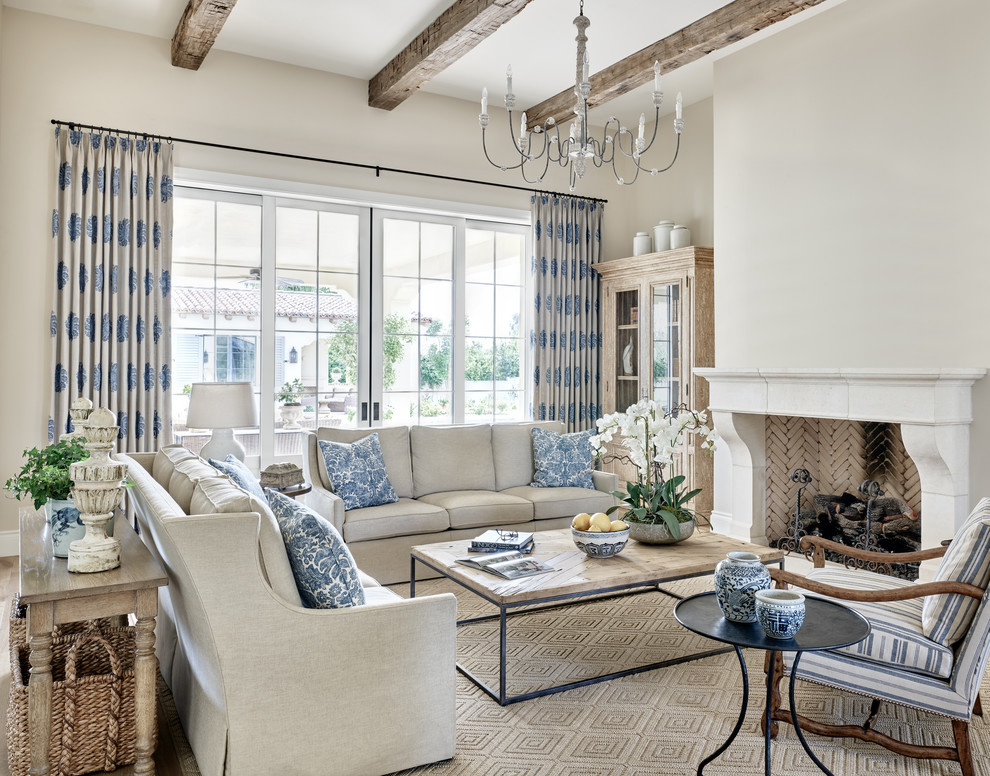
What is Mediterranean Style?
This phenomenon can also be seen at other historic properties across various US coasts, although it’s particularly common in California. As Andrews adds, due to the climate and geographic similarities between the Mediterranean region and the Golden State, the style is particularly popular there. However, as David explains, the aesthetic could work well in many places across the globe.
Emphasis on Indoor-Outdoor Living
Mediterranean style houses are a timeless classic and are often found in seaside states like California and Florida and even states boasting warm seasons year-round. Interior and exterior design flows together in Mediterranean-style homes—bringing the outside in and the inside out—highlighting the balanced indoor-outdoor lifestyle along the sea in a warm climate. Modern Mediterranean interior design is often considered a variation on coastal design for this reason. The interior of the home was blanketed in white, covering its walls and exposed stone surfaces. The space was sparsely decorated with light wood furnishings and natural materials to give the interior a Mediterranean feel. It wouldn't be Mediterranean style without a hint of blue lifted from the Mediterranean sea.
What is Mediterranean Design and How to Bring it Into Your Home
'Have fun on your ceiling with broad hand-painted stripes in a spiced red like Bamboozle. Or for something more discreet, the aqua tones of Dix Blue will add interest while still offering a calming visual experience,' Patrick O’Donnell recommends. Where traditional Mediterranean design is full of more vibrant hues and busy patterns, this modern approach is more subtle and simple in style. When interior designers talk about the Mediterranean style, they generally refer to the aesthetics of southern European countries bordering the Mediterranean Sea, notably Greece, Italy, and Spain. However, 21 countries border the Mediterranean, meaning that true Mediterranean style is just as likely to come from Israel, Morocco, and beyond. In being aware of certain factors as the increasing of the pollution levels, the effects of the Urban Heat Island, or all the extreme climate events attributable to the constant increasing of CO2 emissions.
It is often used to add color and texture to floors, walls, and backsplashes. You can use patterned tile to create a focal point in your space or to add a touch of interest to an otherwise plain surface. Finally, indoor-outdoor living is a key element of Mediterranean design. Whether it’s a patio with a view of the sea or a courtyard with a fountain, these spaces are designed to blur the line between indoors and outdoors, creating a seamless transition between the two. From intricate mosaic patterns to simple terra cotta tiles, these tiles are often used on floors, walls, and even ceilings to add color and texture to the space. Soft furnishings are integral for creating a sense of coziness, and they're a great way to introduce those more saturated colors into a space.
But personal touches are what make any house a home, and a few artisan-made items or pieces of personal significance deserve to be shown off. Give them a museum-worthy treatment by placing accessories on pedestals, and framing up favorite artworks (then fitting them with gallery-style spotlights to complete the effect). "New Mediterranean" style is something we've been obsessing over for a while now. "That feeling you have when you open a window, let the sun fall on your face, and feel the breeze on your skin is where you should begin," explained Mark Williams and Niki Papadopoulos.
Natural tones from wood and stone also feature well in Mediterranean-style homes as the style embraces colors from nature. Mediterranean style houses are highly influenced by the classic and elegant Mediterranean villas of the 1920s. With a blend of Spanish and Italian architecture, the Mediterranean villas were meant to give the impression of wealth, warmth, and relaxation, bringing the natural world inside. This style is mostly minimalistic and functional, yet has a range of possibilities due to the numerous potential influences, from neutral natural colors to vibrantly colored and patterned textiles. While they all share similarities, each country has its own design sensibilities based on its land, culture, and traditions. Inspired by the countries surrounding the Mediterranean Sea, Mediterranean interior design highlights the natural history, landscapes, and communal culture of this diverse region.
When it comes to Mediterranean interior design, color palettes are an essential element that sets the tone for the entire space. The use of earthy tones, oranges, greens, and yellows, is common in Mediterranean interior design. Ceramics and pottery are an essential part of Mediterranean interior design. They come in various shapes, sizes, and colors, and are often used to add a touch of color and texture to a space. They are also great for serving food and drinks and can be used as planters for your indoor plants.
For more of a Spanish or Moroccan style home design, curtains luxuriously rich in color and patterns might be the best fit. Heavy curtains like this are best suited for large rooms so they don’t weigh down the space. The reddish hue of terra cotta ceramic items is the idyllic pop of color in any Mediterranean home, whether it’s in floor tiles, ceramicware, or other small accessories. The key to nailing a Mediterranean color palette is to stick to 1-3 main colors to focus your aesthetic intentionally.
They add much-needed character and variation to the strict palette of whites and creams that characterize the sunbleached Mediterranean style and keep everything feeling warm and well-loved, instead of stark. A thinned wash of white is preferable to full-strength white paint in many cases—and if it lets some of the natural imperfection of your walls underneath show through, all the better. However, the actual calling cards of this décor style are a bit difficult to pin down.
The original Mediterranean homes were often more cozy and intimate with lower ceilings and smaller windows. Cool and calming, whites and neutral tones are a go-to choice for a Mediterranean-style bedroom. To create a cosy environment be sure to introduce plenty of textural pieces such as natural jute rugs, rattan lampshades, woven baskets and a cane side table. For an extra hint of Mediterranean style consider painting the inside of an alcove or cabinet in a rich indigo blue. Mediterranean interiors can often be defined by their minimal, paired back aesthetic that focuses on creating bright, airy and cool living spaces that offer an escape from the heat of the sun.


No comments:
Post a Comment