Table Of Content
- School of Public Policy
- Building Connections: The Integral Role of Architecture in Human Existence and Community
- Calmes: That scowl. The gag order. Frightened jurors. Who’s on trial, a former president or a mob boss?
- Design Hotels is an unrivalled global community for design, architecture, and original hospitality experiences.
- Sign up for our FREE morning newsletter and face each day more informed.
- How Indonesia’s Toba Volcano Changed Human Evolution
- Latest articles
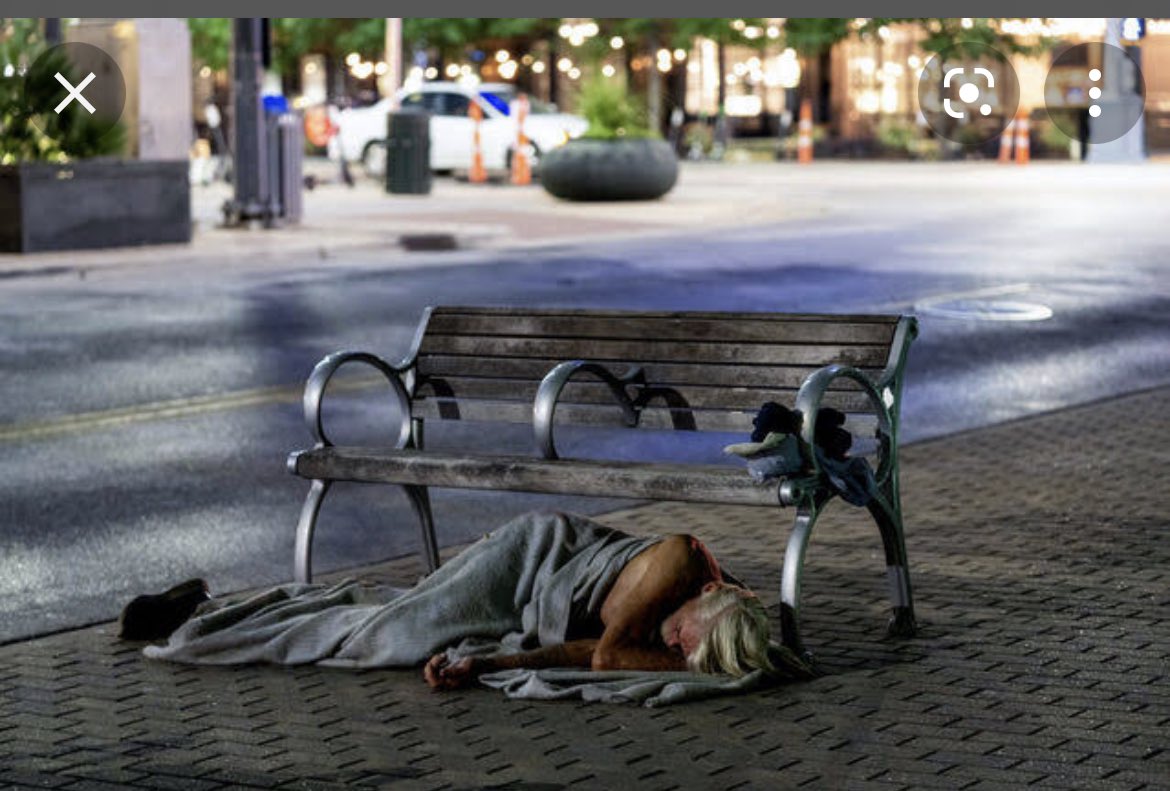
One of the important things to remember in architecture training is that many of these objects tend to hide in plain sight, and public benches are often a great example. The Camden bench is one of the most well-known examples of defensive design and appeared in London in 2009. Its shape, material, and protective coating have made it anti-vandalism, anti-graffiti, Anti-theft, anti-litter, anti-sleeping, and anti-skateboarding. Additionally, leaning benches, which are bars or short shelves installed to rest against, but not sit on, also offer an example of hostile design.
A perspective on hostile architecture - Psuvanguard.com
A perspective on hostile architecture.
Posted: Thu, 09 Nov 2023 08:00:00 GMT [source]
School of Public Policy
Alternative designs include “anti-skate bars,” which break up the smooth surface of the bench’s edge so that skateboarders cannot grind along the side. Another example of hostile architecture is the design of so-called Camden benches in Camden, London. These benches were created in 2012, and were specifically made “to resist criminal and antisocial behavior.” They are able to be sat on or used for brief periods, but due to their design cannot be slept on.
Building Connections: The Integral Role of Architecture in Human Existence and Community
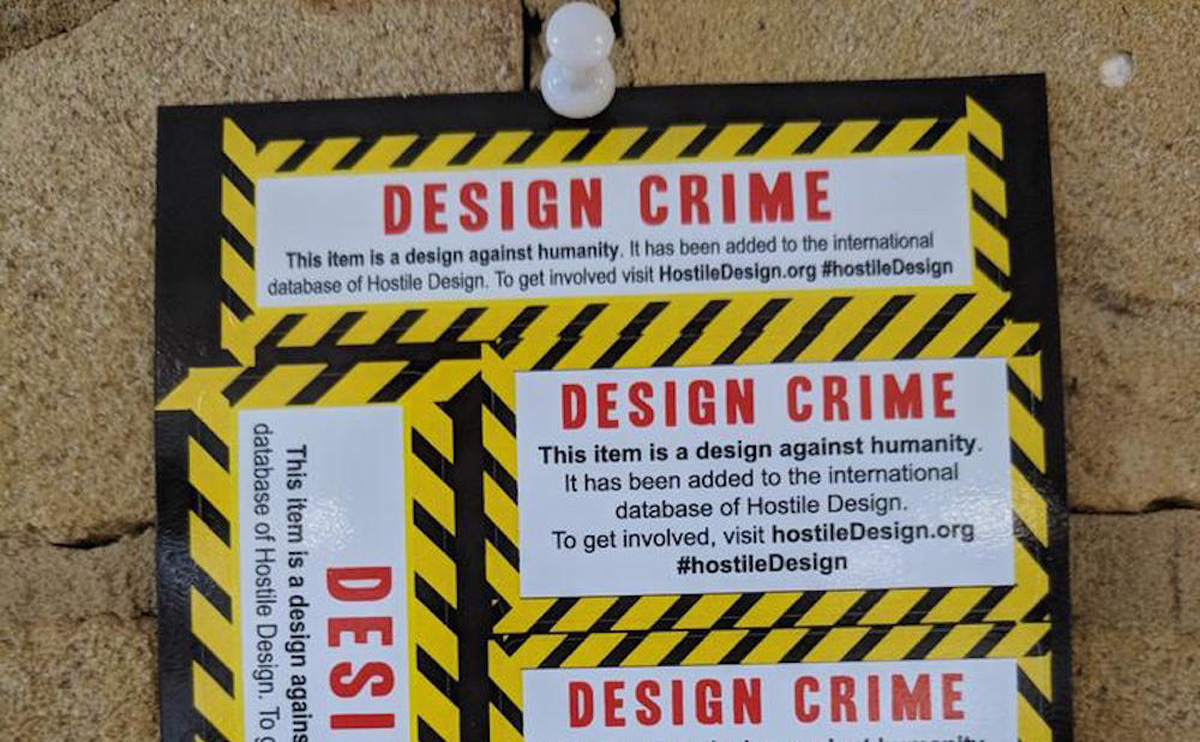
Then he got more criticism when he did call in police to reopen the campus. By contrast, USC senior administrators directed their campus security officers to clamp down on violations of its rules against overnight camping, said Assistant Chief David Carlisle of the Department of Public Safety, or DPS. He said his team, which numbered about 25 officers, warned students against camping and moved in to remove tents and sleeping bags when their orders to do so were ignored. He said the crowd became “hostile,” so campus authorities decided to call in the LAPD, which deployed nearly 100 officers and made the arrests. A federal court order that restricts San Francisco’s ability to clear street encampments of homeless people who have no where else to go will continue to stand as a broader debate on the issue plays out nationally. Individual artists and collectives have been using art to raise awareness of hostile design.
Calmes: That scowl. The gag order. Frightened jurors. Who’s on trial, a former president or a mob boss?
We should consider what it means to be a community and to be inclusive. Does preventing people from sitting at all give the message that people are “blight” and should not be here? Let’s be honest with ourselves – this isn’t about preventing crime, this is about our collective denial and our inability to find solutions to hard problems. Next week, I hope to write about the Impaction Ordinance, which I believe is the policy version of hostile design. In the meantime, if you want to see some of this for yourself, schedule a walking tour with the Homeless Coalition.
Design Hotels is an unrivalled global community for design, architecture, and original hospitality experiences.
In addition, other forms of lighting are also sometimes used in the hostile design. Pink lighting has recently appeared to decrease teenage loitering because it highlights skin blemishes, and blue lights have been used in Tokyo and Glasgow to lower crime rates due to their calming effect. Hostile design also called defensive architecture, is a form of architectural design whose features and elements attempt to influence human behaviour in a public or shared space. Hostile design can be used as a deterrent for unwanted public behaviour, but it also acts as a political statement for many, and debate continues on its place in society.
Carlisle said the difference is that they are not violating bans on overnight camping. UC Davis Police Chief Joseph Farrow, who chairs the UC Council of Police Chiefs, said campuses generally favor a lenient approach to protests, including encampments, within reason. Zombie laws, in the hands of antiabortion zealots and the ultraconservative Supreme Court, are coming for more than abortion rights. Kevin Rector is a legal affairs reporter for the Los Angeles Times covering the California Supreme Court, the 9th Circuit Court of Appeals and other legal trends and issues. He started with The Times in 2020 and previously covered the Los Angeles Police Department for the paper. Before that, Rector worked at the Baltimore Sun for eight years, where he was a police and investigative reporter and part of a team that won the 2020 Pulitzer Prize in local reporting.
This topic has been generating more and more attention in recent years, especially in online journalism and blogging. Academic research is just beginning to catch up, with a few papers strewn across the journals of multiple disciplines. I was first made aware of hostile design several years ago when I was in Santa Cruz, California. The University of California at Santa Cruz was designed to prevent students from engaging in political protests and marches. The winding walkways and meeting spaces were specifically engineered to prevent an uprising.
There are also more subtle design elements such as locks on fire hydrants, which can particularly affect people in already-overheated poorer areas, and prevent them from cooling down on hot days. Historically, these techniques have been used to deter the homeless in big cities and keep the public out of public spaces. Hostile architecture is an urban design strategy that uses elements of the built environment to purposefully guide or restrict behavior in order to prevent crime and maintain order. Other examples of hostile design include studs or bolts installed on pavements in front of buildings (particularly areas under cover), diagonal bars fixed into the corners of walls and benches fitted with metal armrests or bars. In nearly all examples, it’s homeless people who feel the impact of the designs the most. One example is the Klyde Warren Park in Dallas, which has numerous amenities and park services, including what they describe as a “firm but fair” policy for handling park behavior.
Latest articles
In Pictures: Hong Kong's hostile architecture designed to keep homelessness off the streets - Hong Kong Free Press
In Pictures: Hong Kong's hostile architecture designed to keep homelessness off the streets.
Posted: Sat, 21 Oct 2023 07:00:00 GMT [source]
Walking through Over-the-Rhine and Downtown Cincinnati, I was able to capture several forms of hostile design. Listen, I don’t think homeless encampments should be allowed to displace children from parks, as happened during the pandemic, nor that tents should be allowed to proliferate on beaches and city sidewalks, blocking rights of way and spilling detritus into the streets. Cities obviously must have the right to regulate the use of public spaces.
Regardless of their official intentions, these metal bars also curb people from lying down. Urban design can also be used to encourage positive behaviors in public spaces, including promoting social interaction and connection. For example, bike lanes and walkways can be established that connect diverse neighborhoods, and parks can be established with free water fountains, sufficient benches, and structures such as pavilions, children’s playgrounds, and restaurants. It is usually used for preventing damage to property, limiting particular uses of public space (such as preventing skateboarding), or stopping homeless people from sleeping or resting in public spaces. It has also been applied in service of segregation and racial discrimination.
Grants Pass is a city of about 39,000 with a homeless population of about 600 and only enough shelter beds for 100; just one of the many American cities — especially in the West — that has been grappling with the issue of homelessness for years. It is time for the city to test these metal seats on their employees and visitors, from the mayor on down. I suggest that every chair in Honolulu Hale and the Municpal Building be replaced, starting with those that are appurtenant to desks, with these seats. First stop, mayor's and councilmembers offices plus council chambers and committee meeting room. If nothing else, they might get the Department of Planning and Permitting staff to get off their okole and do the work they are paid for.
Hyperallergic is a forum for serious, playful, and radical thinking about art in the world today. Founded in 2009, Hyperallergic is headquartered in Brooklyn, New York. Recent artworks by the co-founder of Pussy Riot will be featured in a pop-up exhibition, along with an artist Q&A and performance, on May 16 in NYC.
Co-sponsored by HD and the International Interior Design Association (IIDA), these product awards are held in conjunction with the annual HD Expo to recognize quality design. Winners will be revealed and celebrated at HD Expo and featured online and in Hospitality Design magazine. Since joining the Times in 1989, she has covered immigration, ethnic communities, religion, Pacific Rim business and served as Tokyo correspondent and bureau chief. She also covered Asia, national affairs and state government for the San Jose Mercury News and wrote editorials for the Los Angeles Herald Examiner. A Seattle native, she graduated from USC in journalism and in East Asian languages and culture. The campus response “has not been draconian at all because of open channels of communication to administration, which have been very productive,” Ghosh said.


No comments:
Post a Comment